- RAVEN, Purdue OWL’s memory trick, keeps the pair straight.
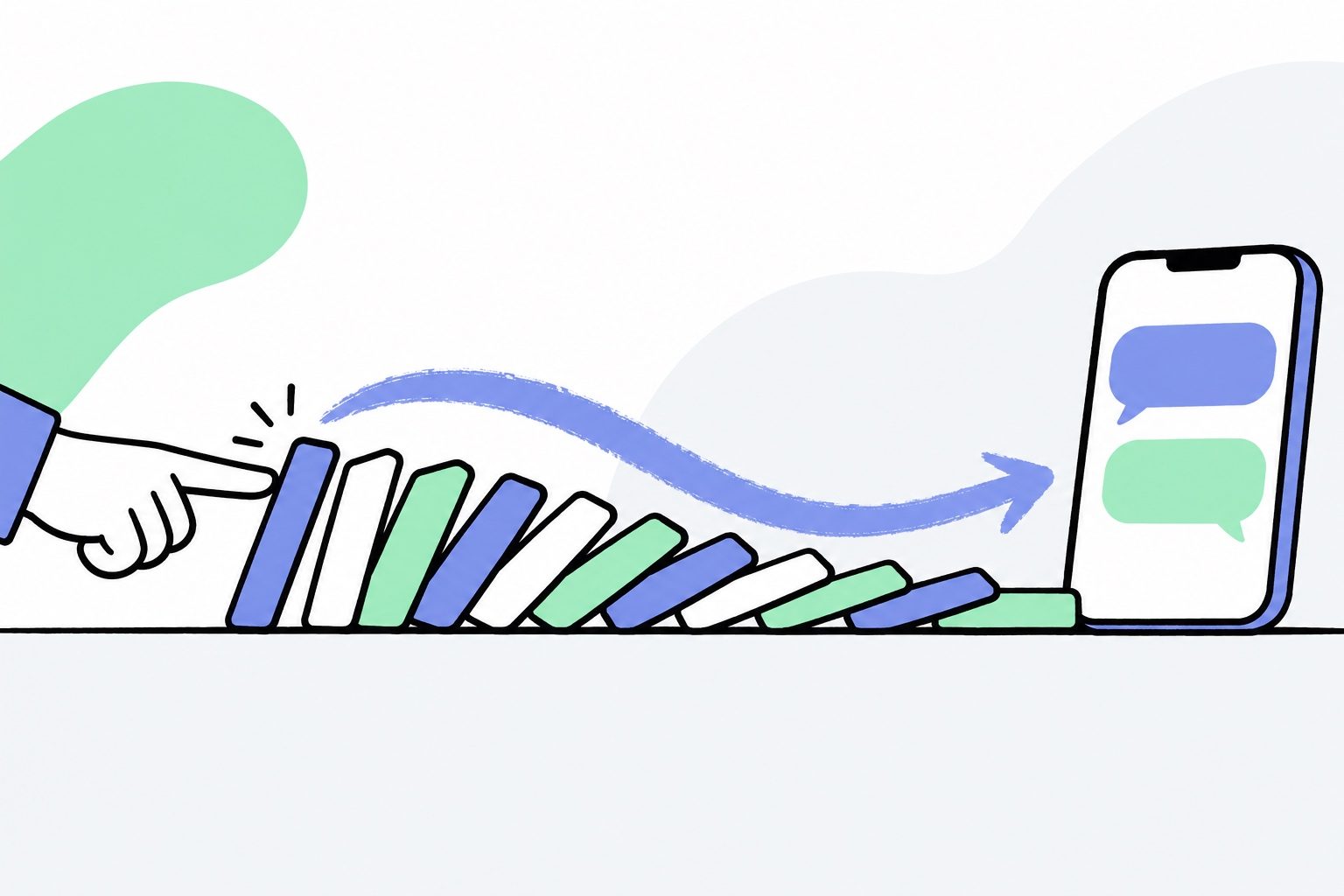
- Effect doubles as a verb that brings a result about, most often right before change.
- Affect has a second life as a noun in psychology, where it names what a feeling looks like.
You are one click from sending a status update to your manager: the delay will effect the launch. Right before you hit send, the doubt lands: is it effect or affect in that slot? One swap settles the pair in any sentence, a five-letter memory trick carries it, and two exceptions explain the rare sentences where the rule flips.
Affect or effect? One test tells them apart
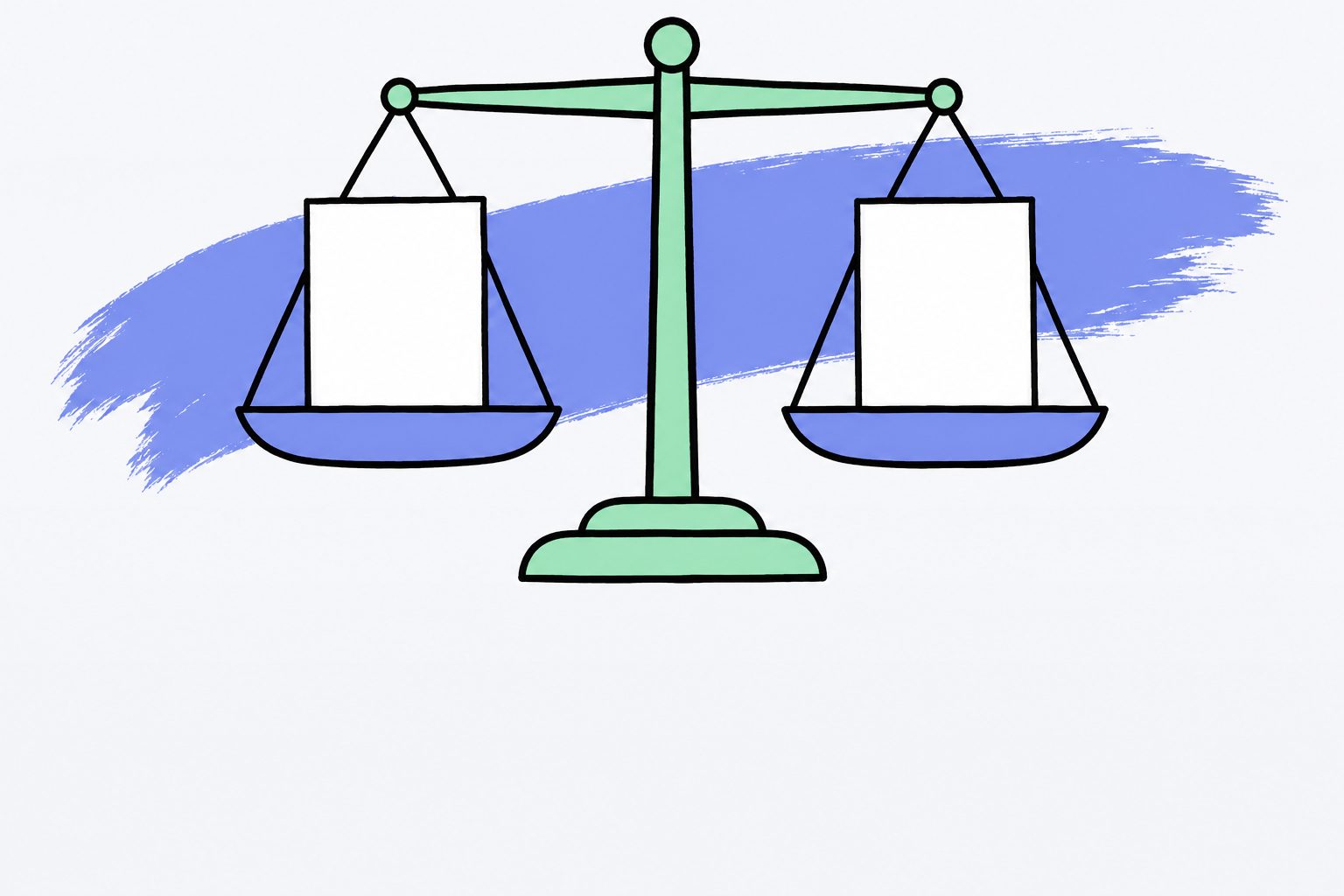
Verbs act; nouns name. Affect does the acting: Cambridge defines it as influencing or causing someone or something to change. Effect is what the acting leaves behind: the result of an influence. Each pair below carries one idea across the swap, verb to noun:
| Sentence with affect (verb) | Same idea with effect (noun) |
|---|---|
| “The situation is really affecting my mental health.” | “The situation is really having an effect on my mental health.” |
| “Will lack of sleep affect your game?” | “Will lack of sleep have an effect on your game?” |
| “The rain affected Amy’s hairdo.” | “The rain had no effect on Amy’s hairdo.” |
The business communication lab at the University of Arkansas compresses the rule into one line: “As a general rule, effect is used as a noun while affect is used as a verb.”
Run the test on the sentence in front of you: if influence drops in cleanly, write affect; if result fits better, write effect.
Remember it with RAVEN
Tip
Purdue OWL’s writing lab has a memory trick for exactly this: “A memory-aid for affect and effect is RAVEN.” The letters do the sorting: R for Remember, A for Affect, V for Verb, E for Effect, N for Noun.
The past tense keeps the split. Influence gives affected, as in Merriam-Webster’s example: “the criticism affected her deeply.” Effected belongs to the verb effect alone, the one that brings things about.
When effect turns verb
Effect steps out of its noun role when the meaning turns to bringing something about: making it happen instead of influencing it. Oxford flags the sense as formal and shows it at work: “The negotiators hoped to effect a smooth transition to an interim administration.”
Merriam-Webster glosses the verb as bringing a thing into being, often by clearing obstacles: “effect a settlement of the dispute.” Purdue OWL puts it in a full sentence: “Our efforts have effected a major change in university policy.”
The object gives the verb away: effect pulls a result behind it, a settlement, a policy change, a smooth transition. Read the pair on change that way, and the difference falls out: you affected change when you nudged one that was already stirring; you effected change when you made it happen. The two definitions, set side by side, produce that reading: affect influences what exists, effect produces what did not.
When affect turns noun
The second exception belongs to the therapist’s office. Psychology uses affect as a noun for any felt experience, and the APA Dictionary of Psychology pins the range:
“feeling or emotion, ranging from suffering to elation”
Merriam-Webster keeps the noun for psychology writing, and its example is clinical: “The patient had a flat affect.” The Arkansas handout adds the warning: “this usage is very rare outside of psychology and psychiatry.”
One more job exists, rarer still: affect can mean to put on a feeling you do not have, the way Winthrop’s writing center uses it: “She affected an air of superiority.”
Two mix-ups, two quick answers
Common belief
“Effects me” is the weightier pick for a report or an email, so it must be the right one.
The reality
The verb is affect: the delay affects the launch, the news affects the whole team. Effect as a verb would mean the delay brings the launch into being, which is not what you mean.
Common belief
A rough week leaves you effected by it, since the past form follows the heavier word.
The reality
Influence takes affected in every tense: you were affected by the news, your plans were affected by the rain. Effected appears only when someone brought a result about.
Both questions yield to the same move: read the sentence with influence in the slot, then with result, and keep the one that fits.
Let Antoine check your message
Antoine, our spelling and grammar coach, handles the whole message, not just the word you are stuck on: paste the text, and he corrects what needs correcting. Ask him why a word changed, and he explains his reasoning.
A session with Antoine
You corrected a few affect and effect slips in my message about my hectic week. Can you explain each fix in a line?
“Affect is a verb meaning ‘influence,’ so it’s correct in ‘fresh air can affect my mood.’”
“Affected is the past-tense verb meaning ‘influenced,’ so it’s correct in ‘late nights affected my mood’ and ‘The rain affected my plans.’”
When one of his fixes touches more than the single word you flagged, reread the sentence: if your phrasing was already right, keep your version. To check a whole email at once, hand it to our AI grammar checker, which lists affect and effect among the traps it catches.
Antoine
AI spell checker
“Paste your text here: I correct the spelling, the grammar and the punctuation. Ask why a word changed, and I explain the rule behind it.”
A second pair of eyes before you send
One paste, a corrected text back, and the reasons behind each change when you ask.
Frequently asked questions
Which is correct, affects me or effects me?
Affects. The verb for influence keeps its s: the delay affects the launch. Merriam-Webster’s past-tense example runs the same way: “the criticism affected her deeply.” Effects would call for the verb effect, the one that makes things happen.
Which past form is right: affected or effected?
Affected, whenever the meaning is influence. Effected is reserved for the bring-about verb: Oxford lists it as that verb’s past form.
Is there a trick to remember it?
One memory trick comes from Purdue OWL: RAVEN. Remember, Affect Verb, Effect Noun. Spelled out once, it travels with you.
Can effect ever work as a verb?
Yes, in its formal sense: to bring about, to make happen. Oxford lists the run “to effect a cure/change/recovery.” Everyday writing rarely needs it, and the noun does the work.
Sources
- “Affect or effect?”, Cambridge Dictionary.
- “Effect,” noun entry, Oxford Learner’s Dictionaries.
- “Effect,” verb entry and “Which Word?” box, Oxford Learner’s Dictionaries.
- “Affect,” entry, Merriam-Webster, updated November 3, 2026.
- “Effect,” entry, Merriam-Webster, updated October 29, 2026.
- “Affect,” definition of the noun, APA Dictionary of Psychology, updated April 19, 2018.
- Words that sound alike, Purdue OWL.
- “Effect vs. Affect,” a business communication handout, University of Arkansas, Walton College.
- “AFFECT vs. EFFECT and First, Second, and Third Person”, Winthrop University Writing Center.
Stuck on another sentence?
Alex, the generalist AI assistant, takes any other writing question, from tone to punctuation.