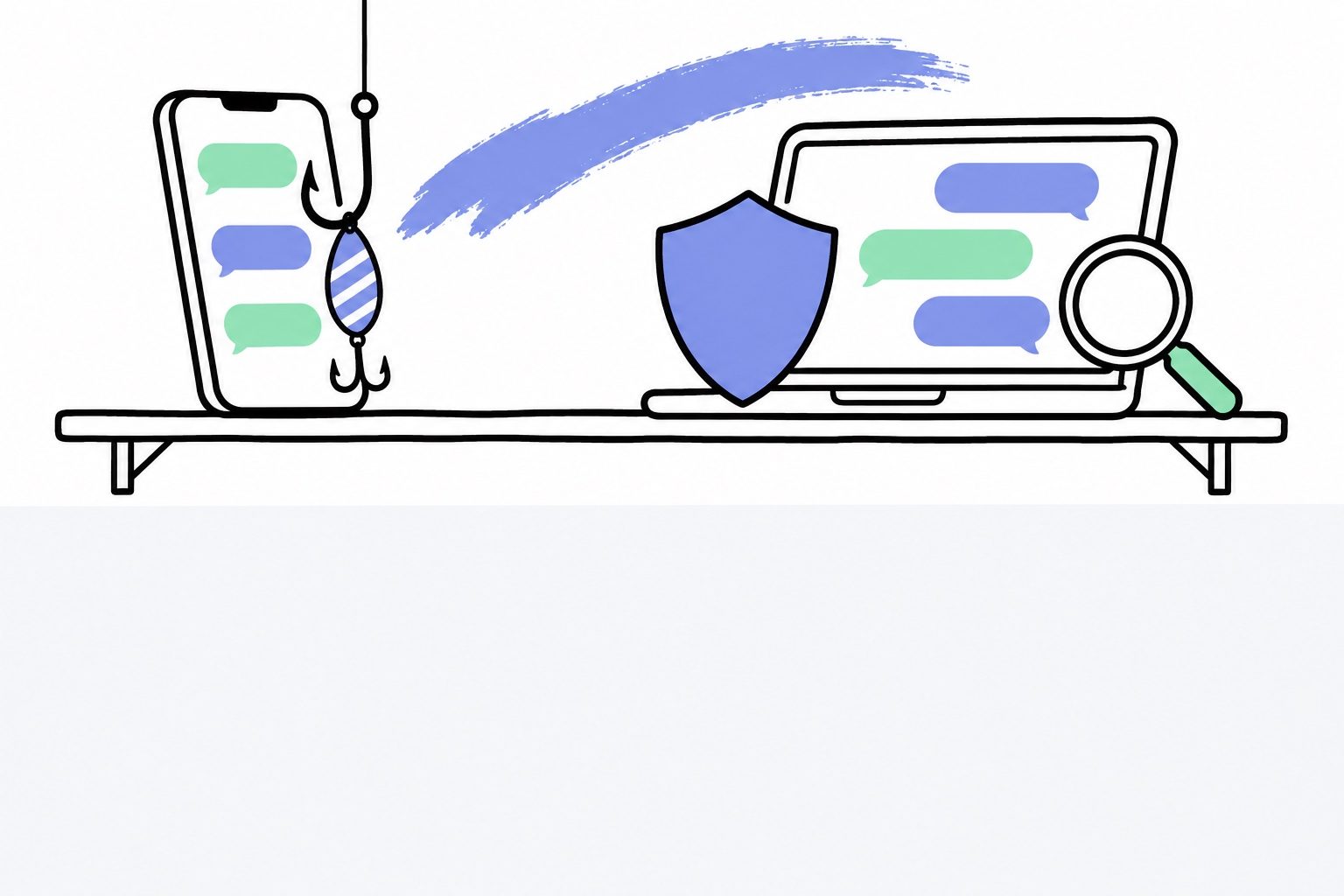
- Laws hold whatever the tool: the US TAKE IT DOWN Act makes an intimate image published without an identifiable person’s consent a federal crime, and from 2 December 2026 the EU bans realistic intimate imagery generated without consent.
- A picture made entirely by AI carries no copyright in the United States.
- On some services, what you create on the free plan lands in a public gallery, open to every other user.
- Our image generator with Niki starts free on its own page: you type a description or send a photo, no download and no sign-up.
Ever generated an image of a Cthulhu drinking a strawberry diabolo, lectured by your AI about “inappropriate content”, or stifled by moralistic filters? The best uncensored AI image generators break the shackles of political correctness to give art back its wild freedom.
Discover three tools that are ready for anything (or almost anything): from the simplicity of FunFun AI to the open-source nature of Stable Diffusion, with the balance of Based Labs. No more censorship, no more complaints: just your imagination and a few pixels. Ready to turn your ideas into uncensored masterpieces?
Tired of AIs telling you “no”? Here are the uncensored image generators
You’ve spent 10 minutes describing an absurd prompt (Cthulhu in a bikini on Mars) and the AI refuses? Classic. Mainstream tools, restricted by ethical rules, look like a morality teacher in a nightclub. Uncensored AI image generators, on the other hand, offer total freedom, confidentiality and ownership of your creations.
Your image, from a sentence or a photo
Niki generates an image from your description, reworks the photo you send or clears its background.
What people want when they ask for fewer filters
The plainest way to dodge a refusal is to run an open model at home, on a machine you control. Even then, don’t picture a blank slate: the reference code of Stable Diffusion, the one distributed in the diffusers library, ships with its safety checker on by default. What an app built on top of it does with that switch is another question.
A second wish has nothing to do with wild prompts: keep the photo, change one part of it. The stranger who stepped into the frame can leave, a cluttered background can go, and the rest of the picture stays untouched.
Our own image generator answers both wishes: Niki creates a picture from a description or from a photo you send, and edits what you upload, down to removing an object or a person. It keeps its own lines too: it won’t put a real person’s identifiable face in an image without their consent, and it steers clear of brand logos and other protected visuals.
What is an “uncensored” image generator?
Beyond filters: the quest for absolute creative freedom
An “uncensored” image generator is not a tool for circumventing the law, but a lever for unlocking artistic creativity. It allows you to generate bloody Goya-style historical scenes, surrealist universes or abstract concepts that conventional AIs would reject. The aim? To leave the artist free to interpret “sensitive” themes without the algorithm imposing its own morality.
AI pushes the limits, but here, ethics frame freedom. No prior censorship: AI doesn’t judge a nude, a political work or a cultural symbol, as long as the content remains legal. Like a paintbrush, it executes, without deciding for you.
Ownership and confidentiality: the real pillars of a free generator
Ownership comes from the law first, then from the terms of each tool, never from the absence of filters. On copyright, the US Copyright Office wrote in January 2025: “given current generally available technology, prompts alone do not provide sufficient human control to make users of an AI system the authors of the output.” The FAQ of our own image generator gives the same rule for pictures “produced entirely by AI”: they are “not protected by copyright, because it lacks human authorship.”
Rights are just as uneven. Some platforms grant them fully only to paying subscribers, and on free plans your creations can land in a public gallery, open for any other user to view and reuse. Privacy follows the same logic: before you upload a photo of yourself to a service, read its terms, since that is the page where the answer lives, if it is written at all.
Our criteria for finding the perfect match
To avoid a classification as useful as a paper umbrella, we’ve concocted an analysis grid as strict as a computer code review. We’re talking to humans, not guessing lawyers. The aim? Avoid tools that rip you off or produce masterpieces worthy of a 3-year-old cat.
- Ease of use: An intuitive tool responds to your commands like a well-trained cat, without 17 steps for a simple “meow”.
- Customization and control: Does the tool obey you or think it’s a mad pilot? Check out the options and the freedom to say “no” to your whims.
- Quality of images generated: Masterpiece or kindergarten doodle? Compare textures, resolution and consistency. Avoid crooked eyes or absurd backgrounds.
- Confidentiality and ownership: do your creations belong to you? We take a closer look at the Terms of Use to avoid the pitfalls. Your data doesn’t have to end up on a secret server.
Top 3 uncensored AI image generators
1. FunFun AI: creative power for everyone
Do you dream of becoming the Picasso of AI without spending hours on complex software? FunFun AI is your new best friend. How does it work? “You throw your idea in the box, choose a style, and the AI does the magic.” You don’t need a PhD in computer science, just a bit of imagination.
Realism enthusiasts marvel at the quality of the output.
FunFun AI doesn’t just generate images. It also offers anime editing and video transformation tools, and even an active community for sharing creations. A veritable toolbox for modern artists.
2. Stable Diffusion: the path to absolute freedom (for adventurers)
Are you the type who prefers to assemble your bike rather than buy it assembled? Stable Diffusion is for you. This open-source model gives you total control, but beware: you need to be prepared to “get your hands dirty”. Unlike turnkey solutions, here you can install it locally… provided you’ve got a decent graphics card.
Want a cat in a tuxedo in an 80s disco? How about a dragon piloting a spaceship? Give free rein to your madness. Owners of GeForce RTX 3090 or equivalent will have a blast testing customized models via LoRA, for unrivalled personalization.
Of course, this power comes at a price: a steep learning curve. To tame this beast, master the art of writing the best AI prompts. No compromise on creativity, just a dose of patience.
3. Based Labs AI: the laboratory for creative exploration
Between the simplicity of FunFun AI and the complexity of Stable Diffusion, Based Labs AI embodies the happy medium. This platform is aimed at “creative explorers” who refuse the restrictions of mainstream tools.
At Based Labs AI, there’s no “brand safety” to stifle your imagination. It’s no coincidence that the community sees this as a bridge between accessibility and artistic freedom.
Of course, the experience isn’t perfect. Some users complain of bugs or poor customer support. But for those willing to brave the odds, the tool provides access to innovative features. A risky choice, but one that sometimes pays off
Comparison table for a clearer view
For those in a hurry or lazy (we don’t judge), here’s the quick comparison. The rankings at a glance.
| Tool | Ideal for… | Price model | Ease of use | Level of creative freedom |
|---|---|---|---|---|
| FunFun AI | Creators in a hurry and demanding beginners | Freemium / Subscription | Very easy | Very high (detail and realism) |
| Stable Diffusion | Experts, technical artists and geeks | Free (local) or paid | Difficult (but complete) | Absolute (extensive customization) |
| Based Labs AI | Creative Explorers | Subscription | Intermediate | Very high |
FunFun AI seduces with its simplicity and high-quality visuals, ideal for quick creations. Stable Diffusion, technical and open source, offers total freedom… but requires skill. Based Labs AI, a cross between image and video, is ideal for bold projects. It’s up to you!
Creative freedom, yes, but not the Wild West: ethical and legal aspects
Who owns your AI-generated masterpiece?
The law answers part of the question. In its January 2025 report, the US Copyright Office concludes: copyright, in the Office’s words, “does not extend to purely AI-generated material, or material where there is insufficient human control over the expressive elements.”
What you may do with a picture therefore has two keys: the human share you brought to it, and the licence of the service that made it. Some terms hand every right to paying subscribers; some licences stack categories with their own limits, and the most restrictive one rules the whole design.
Navigating in legal limbo
The United States drew a line in 2025: the TAKE IT DOWN Act makes it a federal crime to knowingly publish an intimate image of an identifiable person without consent. An AI forgery counts as much as a real photo, and the penalty goes up to two years in prison, three when a minor is depicted. Platforms have to take down such content within 48 hours of the depicted person’s request, an obligation in effect since May 2026.
Copyright carries its own scale of damages: statutory damages start at $750 and can reach $30,000 for each work, $150,000 when the infringement is willful. In the EU, the new prohibition on realistic intimate imagery of an identifiable person generated without consent applies from 2 December 2026, whatever a tool’s terms say.
- Always check commercial use rights before selling a creation.
- Beware of generating images based on copyrighted characters or artists.
- Remember: with great (creative) power comes great responsibility.
In short: AI is a toolbox, not a universal sesame. Use it wisely, and your cyborg cat can rest easy. Well, in a manner of speaking.
So, which censor-free generator is right for you?
Each tool is distinguished by a major asset: FunFun AI for its legendary simplicity, Stable Diffusion for its raw freedom, Based Labs AI for its experimental daring. These platforms cater for very specific profiles: from the harried beginner to the visionary geek.
For fast, stress-free results: FunFun AI turns your ideas into ultra-realistic images at the click of a button. Fancy a flame-breathing dragon or a cyberpunk portrait? The intuitive interface handles everything without you touching a keyboard.
For total mastery (if you master the code): Stable Diffusion is the weapon for perfectionists. Ideal for artists ready to code their masterpieces, with the ability to modify scripts for tailor-made results.
For collaborative innovation on a bold platform: Based Labs AI integrates several models (FLUX, Imagen3) to push back the boundaries. Despite a few bugs, its collaborative interface is ideal for teams daring to explore the frontiers of digital art, with the added bonus of video generation for the more daring.
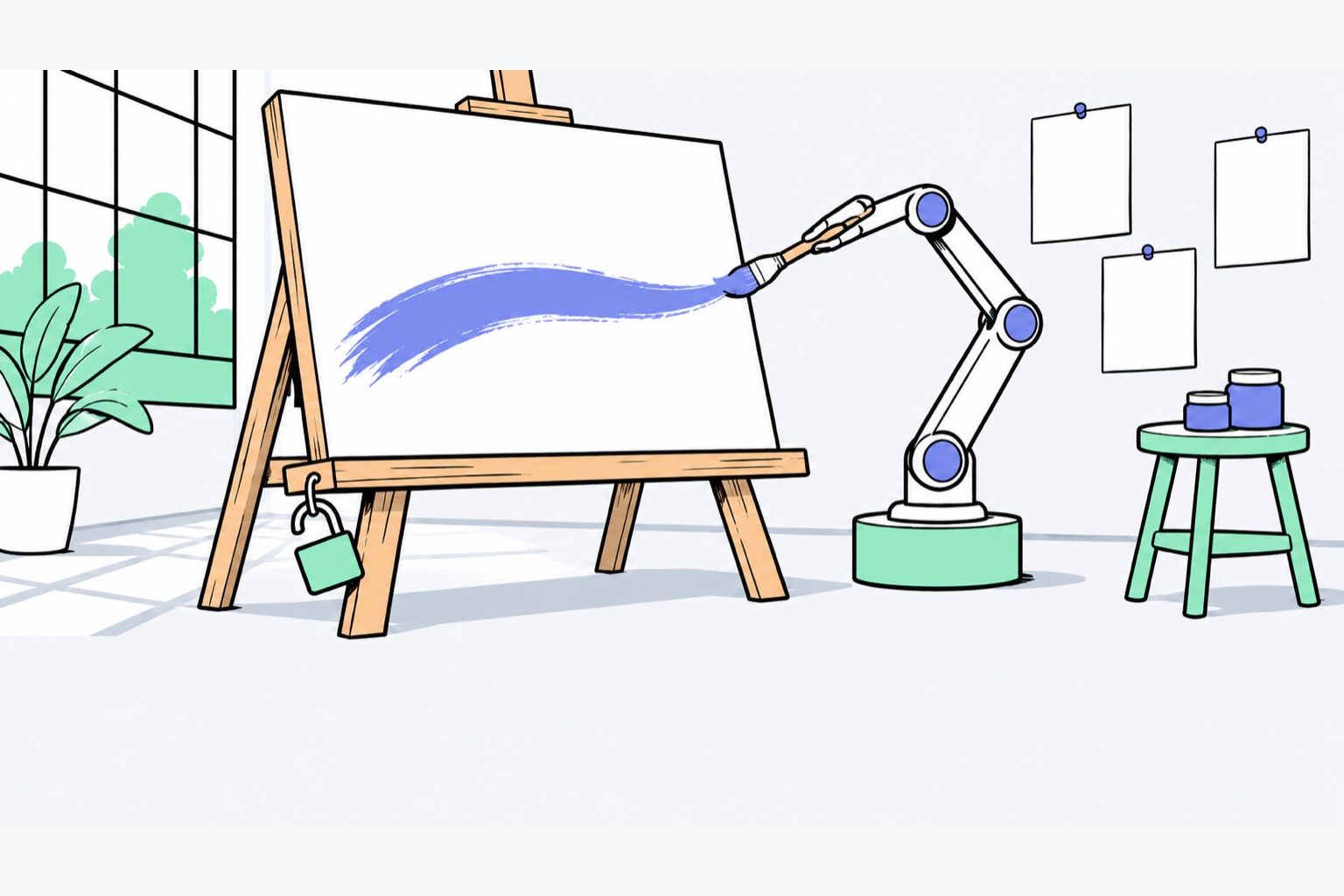
The canvas is white, the filters are down. Now it’s your turn! Art has never been so free. Your ideas, now unfettered, could redefine the future of creation. Who knows? Your next AI-generated work could be the talk of the gallery. The brush is in your hands… and the future in your pixels!
Niki
AI image generator
“Tell me what you want to see, and I create it from your description. Send me a photo instead, and I retouch it: an object or a person can go, the background can change, and we adjust until it matches the idea.”
The best uncensored AI image generators now give you the freedom to create without limits. FunFun AI for simplicity, Stable Diffusion for experts seeking ultimate control, and Based Labs AI for exploring new artistic territories. The canvas is blank, the filters are down. Now it’ s your turn.
FAQ
What’s the best free AI image generator with no censorship (and no headaches)?
If you’re looking for a tool that’ll let you generate a tutu-wearing surfer cat without giving you a lecture, it’s FunFun AI. Not only is it nice on the moderation front, it offers studio quality images and an interface as intuitive as a mobile game. In short, the “I just want to create in peace” option.
Which AI image generator is the least censored (without becoming a digital outlaw)?
The Stable Diffusion located on your machine is the equivalent of an artist’s studio in your living room: you are the only master of the game. No server to convince, no sanctimonious filter. But be warned: it’s a bit like buying an F1 car without knowing how to drive. You’ll need a graphics card worthy of a nuclear power plant and a dose of courage to play with the parameters. For those who love a challenge!
What’s the best AI image generator (without ending up in a duel of prompts with a sanctimonious machine)?
It’s a close match, but Based Labs AI stands out for its “we trust you” approach. This is the kind of tool that lets you explore complex concepts (like a shark in medieval armor) without interrupting you with an “I can’t do that, it’s… ethically dubious”. Be warned, though: opinions are divided, a bit like asking an artist friend whether he prefers coffee or tea; the answer is never clear-cut.
What’s the best free, unrestricted AI (but not a Trojan horse disguised as a creative tool)?
The FunFun AI (free version) + Stable Diffusion open-source combo is your ticket to the “free but effective” world. FunFun AI will give you dazzling results without asking for your CV, while Stable Diffusion (downloaded legally) will give you the adrenaline rush of a digital art hacker. Just don’t generate a self-portrait of your boss as a unicorn: it could turn ugly.
What’s Pexels (and why it’s not our topic today, sorry)?
Pexels is the municipal image library: a treasure trove of royalty-free photos, but not an AI image generator. It’s like confusing a 3D printer with a design studio. Useful, yes, but we’re talking about machines that imagine, not ready-to-use files. Sorry to butt in, Pexels, but you’ve got your own fan club elsewhere!
Are Canva photos royalty-free (or just a legal trap in a unicorn costume)?
Canva is the fast-food of graphic design: fast, colorful, but with conditions of use worth reading between the lines. Most elements are royalty-free under their license, but beware of paid additions or templates that contain protected elements. Basically, it’s like borrowing a car: you can drive it, but don’t paint the roof purple without authorization.
Which AI for NSFW images (and no, this isn’t a reality show)?
We won’t send you toward tools for this. Consent comes before any feature list, and the section above spells out what the US punishes and what the EU will ban from 2 December 2026. Adult content on top of that is each service’s own call, written in its terms and reserved for adults.
What is an unrestricted AI image generator (and no, it’s not a free pass to artistic chaos)?
It’s simply a tool that doesn’t give you a reproachful look when you want to generate a “cyberpunk landscape with a dragon eating a hamburger”. This means freedom to create without arbitrary filters, but also responsibility: nobody wants to become the guy who scared the dragons away from McDonald’s, right?
What AI can remove people from a photo (and no, it’s not to erase your ex from your vacation)?
Ours can: on Nation AI’s image generator, the FAQ includes “erase an object or a person” among the touch-ups Niki handles on a photo you send. If the picture shows other people, their consent counts.
A question left about your image?
Ask Alex anything, no account needed: answers in plain English, without jargon.
Sources
- TAKE IT DOWN Act of May 2025, Public Law 119-12, govinfo.
- Copyright and Artificial Intelligence, Part 2: Copyrightability, US Copyright Office report, January 2025.
- Copyright Act, section 504(c), statutory damages, govinfo, 2022 edition.
- Regulation (EU) 2026/1744, which inserts the ban into the AI Act, EUR-Lex.